


Blog
With over 16 years of combined experience, A1 DATASHRED is the most professional, cost-effective and trusted shredding company.
Residential Shredding: How to Protect Your Family From Identity Theft
Most people think data breaches only happen to large corporations. But in reality, identity theft often starts much closer to home, right in household trash and recycling bins.
Every year, thousands of people become victims of identity theft because sensitive documents are thrown away instead of being securely destroyed. Bank statements, tax records, credit card offers, and medical paperwork can all be used to steal personal information.
Residential shredding is one of the easiest and most effective ways to protect your household from fraud.
Why Identity Thieves Target Household Trash
Identity thieves don’t always rely on hacking. In many cases, they use a much simpler tactic known as dumpster diving, searching through garbage and recycling for documents containing personal information. A single piece of paper can contain:
- Full names
- Addresses
- Dates of birth
- Banking details
- Account numbers
- Signatures
- Insurance information
With just a few documents, criminals can open credit cards, apply for loans, file fraudulent tax returns, or commit medical identity theft.
Once your identity is compromised, it can take years to recover financially and emotionally.
Why a Home Shredder Isn’t Enough
Many households own small shredders, but these devices often create a false sense of security.
Home shredders:
- Can’t handle large volumes of paper
- Frequently jams or overheats
- Produce strips that can be reassembled
- Don’t shred thick documents, folders, or staples well
During big cleanouts like spring cleaning, moving, or tax season, most people end up throwing documents away because shredding them becomes too time-consuming.
Professional residential shredding provides industrial-grade destruction that is faster, more secure, and far more convenient.
Household Documents You Should Always Shred
If a document contains personal or financial information, it should never go in the trash intact. Here are the most common household documents that require secure shredding:
Financial Documents
- Bank statements
- Credit card statements
- Cancelled checks
- Loan and mortgage paperwork
- Investment and retirement records
Tax Records
- Old tax returns
- Supporting tax documents
- Pay stubs and income records
- CRA correspondence
Medical and Insurance Records
- Medical bills and prescriptions
- Insurance statements
- Health benefit paperwork
- Dental and vision records
Personal Information
- Utility bills
- Old passports and photocopies
- Driver’s licence copies
- Travel documents
- School records
Junk Mail That Contains Personal Data
Even pre-approved credit card offers and insurance mailers can be used for fraud. If it has your name and address, shred it.
Life Events That Create Shredding Piles
Most families accumulate years of paperwork without realizing how much sensitive information is sitting at home. Residential shredding becomes especially important during major life events:
- Moving to a new home
- Downsizing or decluttering
- Preparing for tax season
- Estate cleanouts
- Spring cleaning
- After a loved one passes away
These moments often uncover boxes of old paperwork that should never be thrown away intact.
The Benefits of Professional Residential Shredding
Professional shredding services are designed to make secure disposal simple and stress-free for households. Key benefits include:
Convenience
Bring boxes of documents to a shredding event or schedule a service without spending hours feeding a home shredder.
Security
Industrial shredders destroy documents beyond reconstruction.
Peace of Mind
You know your personal information is fully destroyed and protected.
Environmental Responsibility
Shredded paper is recycled, keeping waste out of landfills. It’s a simple step that provides long-term protection for your family.
Shredding Helps Protect Seniors and Families
Seniors are among the most targeted groups for identity theft. Families helping parents or grandparents clean out paperwork often discover decades of sensitive documents stored at home. Secure shredding helps families safely dispose of:
- Old financial records
- Medical history files
- Expired IDs
- Estate and legal paperwork
It’s a practical way to protect loved ones from fraud.
How Often Should Households Shred Documents?
Most households benefit from shredding once or twice per year. A simple rule of thumb:
If you no longer need it and it contains personal information, shred it. Many people schedule shredding around spring cleaning, tax season, and end-of-year organization. Creating a routine helps prevent paperwork from piling up again.
Protect Your Household From Identity Theft
Identity theft is stressful, expensive, and time-consuming to fix — but preventing it can be simple.
Securely destroying personal documents is one of the most effective steps you can take to protect your family’s financial future.
Ready to Safely Dispose of Household Documents?
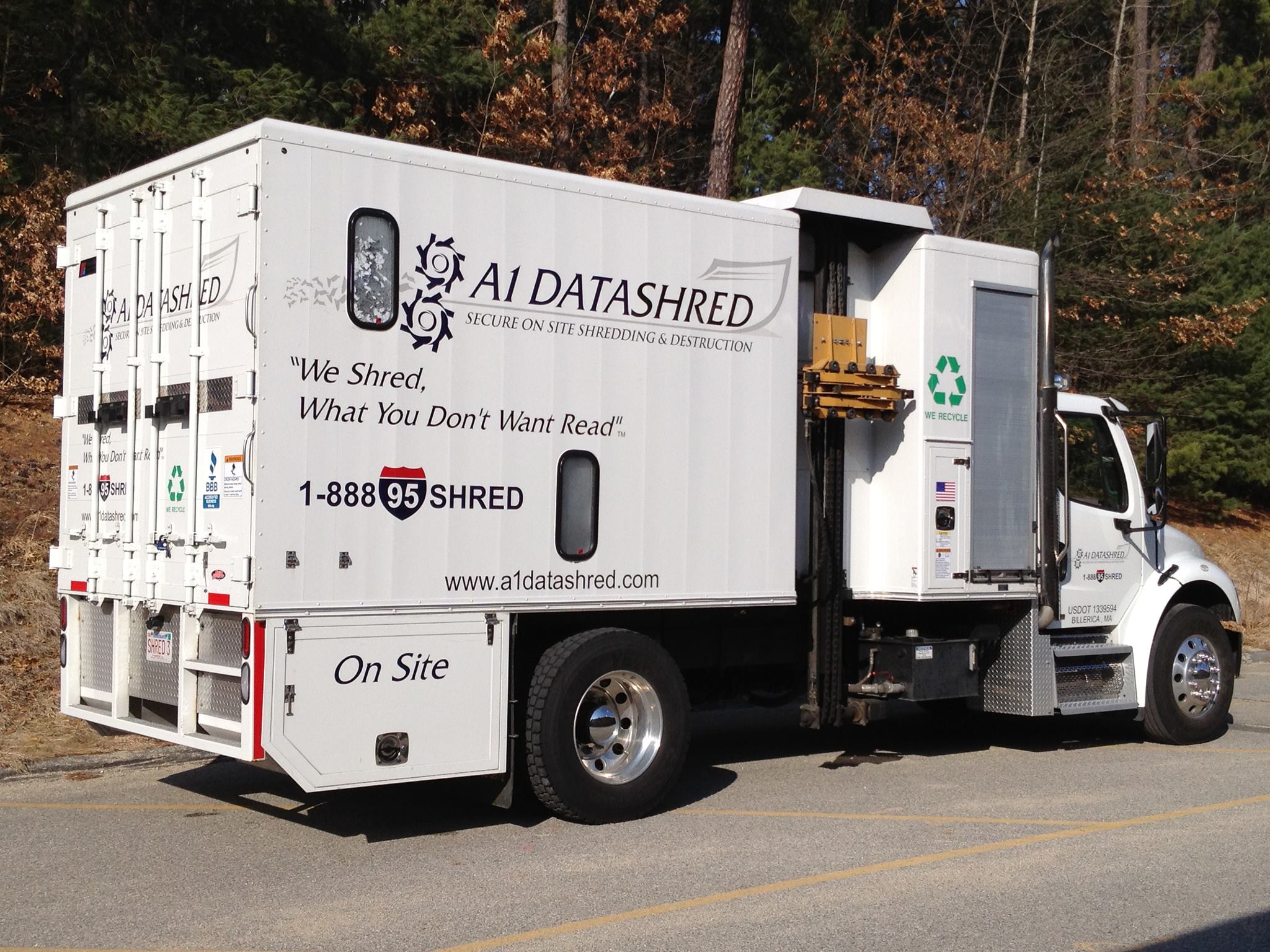
A1 DataShred offers secure, convenient residential shredding services to help families safely destroy sensitive paperwork and prevent identity theft.
Contact us today to learn about upcoming shredding services and protect your personal information with confidence.
April 30, 2026