


Blog
With over 16 years of combined experience, A1 DATASHRED is the most professional, cost-effective and trusted shredding company.
The Hidden Risks of Storing Old Documents: Why 2026 Is the Year Boston Businesses Need a Clean Records Strategy
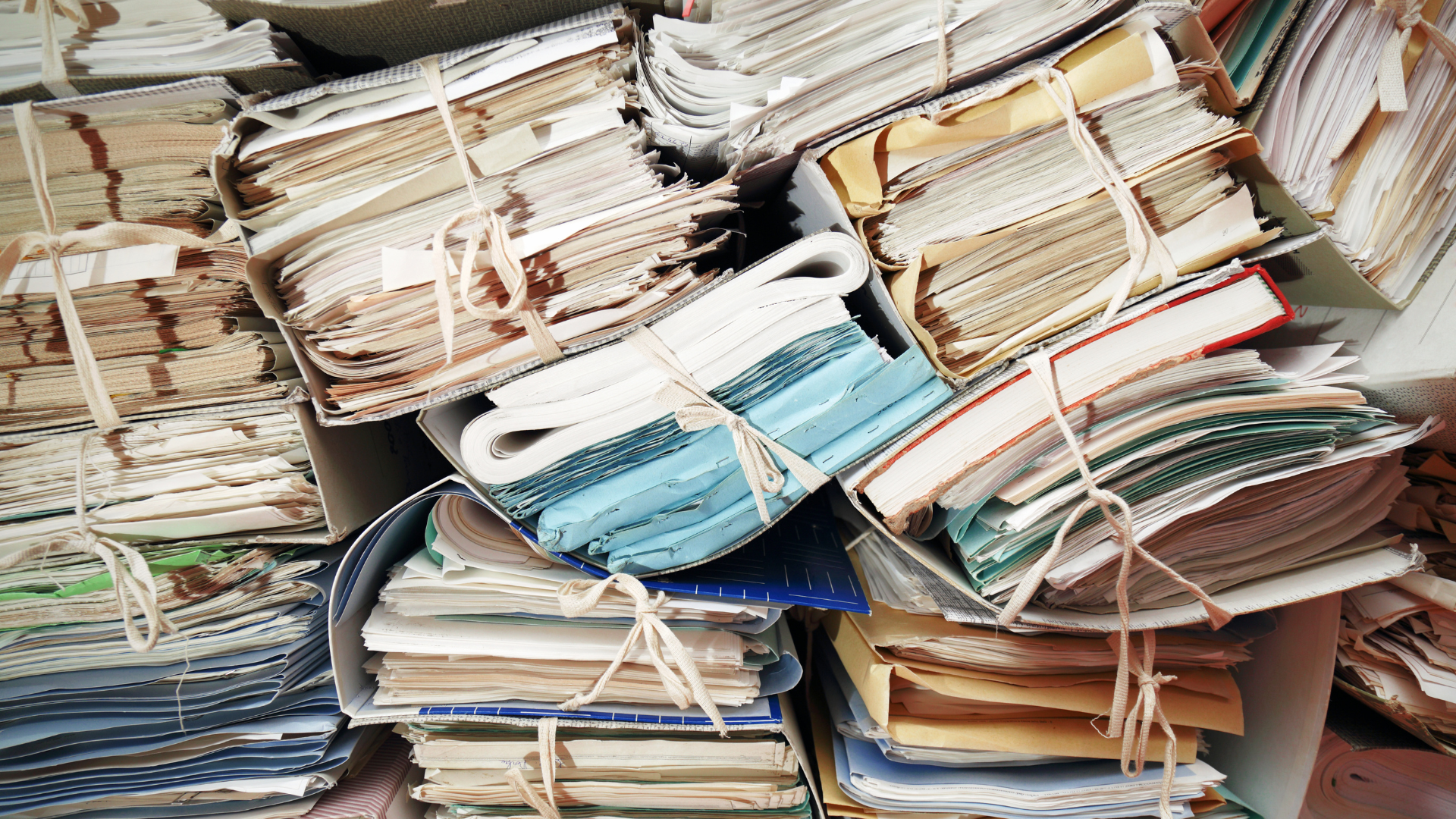
Across Greater Boston, businesses are entering 2026 with more paper records than ever; years of invoices, HR files, client documents, and archived materials packed into closets, offsite storage, filing rooms, and even basements. What many organizations don’t realize is that old documents aren’t harmless. They are one of the biggest, most overlooked data security risks a business can face.
At A1 DataShred, we’ve helped thousands of organizations reduce risk by securely eliminating outdated documents. This guide explains why stored paper can be dangerous, what records become liabilities over time, and how Boston companies can create a secure, efficient, and clean-out plan for 2026.
Why “Old Documents” Are a Growing Security Problem in 2026
Despite digital adoption, paper dependency isn’t going away. In fact, industry research shows that 72% of organizations still rely on printed documents for daily workflows. As a result, companies accumulate:
- Filing cabinets full of decades-old paperwork
- Boxes stacked in storage rooms
- Offsite storage fees for documents no one has reviewed in years
- Abandoned archives left from staff turnover or system changes
The problem? Physical documents age, but the data they contain stays sensitive.
Paper Records Don’t Lose Their Legal Status Over Time
Even a 10-year-old file with:
- Social Security numbers
- Signatures
- Loan documents
- Medical notes
- Account information
…still falls under privacy and retention regulations. Keeping them “just in case” is risky.
Stored Documents Are a Breach Waiting to Happen
Old records are often:
- Unlocked
- Unorganized
- Uninventoried
- Accessible to cleaning crews or visitors
- Prone to water damage, pests, or mold
- Left in off-site storage facilities with weak security
This makes them vulnerable to theft, mishandling, or accidental exposure.
2026 Brings Higher Scrutiny for Record Protection
As businesses adopt hybrid work, more companies are reevaluating:
- Physical storage
- Access control
- Document liability
- Records minimization
Now is the right time for Boston businesses to clean out the documents that no longer serve a purpose before they create a costly problem.
What Types of Documents Become Risky Over Time?
Many organizations don’t realize the variety of sensitive information hidden inside stored paper.
HR & Personnel Records
These may include:
- Employee applications
- Background checks
- Disciplinary notes
- Medical information
- Payroll reports
All are regulated under federal privacy laws.
Financial and Accounting Files
These often contain:
- Tax returns
- Banking documents
- Credit reports
- Reconciliations
- Audit paperwork
Perfect targets for fraud or identity theft.
Client and Customer Documentation
Real estate firms, financial advisors, attorneys, and healthcare providers accumulate confidential information:
- Contracts
- Case files
- Loan documents
- Insurance forms
- Medical records
If these are outdated, they should not remain stored indefinitely.
Legacy Records from Former Employees or Departments
When team members leave, their filing cabinets and storage boxes often remain untouched. This creates major liability.
The Cost of Holding Onto Records Longer Than Necessary
Keeping unnecessary records isn’t just a security problem; it’s also expensive.
Storage Costs
Boston real estate isn’t cheap. Businesses often pay:
- For storage units
- For file room space
- For off-site records facilities
Yet most of these documents no longer need to exist.
Audit & Compliance Risk
Retaining records beyond the required retention period may increase:
- Liability during audits
- Penalties for mishandled records
- Exposure during litigation
Proper destruction eliminates unnecessary risk.
Productivity Loss
Employees waste time searching through:
- Outdated boxes
- Duplicated files
- Disorganized storage
A clean, organized workflow saves time and reduces risk.
How Boston Businesses Can Build a Clean Records Strategy for 2026
A strong records strategy starts with three steps.
Step 1: Identify What Should Be Destroyed
Review documents based on:
- Legal retention timelines
- Department workflows
- Document age
- Business relevance
A1 DataShred can assist with high-volume cleanouts and compliance guidance.
Step 2: Schedule a Secure Purge Shredding Service
Purge shredding is ideal for:
- Year-end or new-year cleanouts
- Office moves
- Storage room cleanups
- Closing departments
- Removing outdated files
Step 3: Implement an Ongoing Shredding Policy
Scheduled shredding prevents future buildup.
Why Choose A1 DataShred for Secure Document Cleanouts?
Boston businesses trust A1 DataShred because we provide:
- On-site mobile shredding you can witness
- NAID AAA Certified destruction
- Locked collection containers
- Secure chain of custody
- A Certificate of Destruction
- Uniformed, background-checked professionals
- Fast service across Greater Boston, MA & NH
Whether you’re emptying a storage unit, clearing an office, or disposing of decades of archived documents, A1 handles it securely and efficiently.
Clean Out Your Old Documents the Right Way
A cluttered records system isn’t just inconvenient, it’s a security risk. If your Boston business is starting 2026 with aging documents, unknown storage boxes, or overflowing file rooms, now is the perfect time to take control.
A1 DataShred makes it easy to protect your business with:
- One-time purge shredding
- Scheduled shredding
- Hard drive & media destruction
Request a quote today or contact our team to schedule your cleanout. Secure your records. Reduce your risk. Start fresh in 2026 with A1 DataShred.
March 18, 2026